
Thriving Future Cropscapes is a four-year NSF-funded project bringing together stakeholders from many sectors, regions, and disciplines to anticipate and prepare for the major changes likely to shape cropping systems in the southern and central US over the next five decades.
Our project will focus primarily on Georgia, Nebraska, and Ohio – three important and diverse farming states that are likely to experience distinct social, economic, and climatic challenges and opportunities over the coming century.
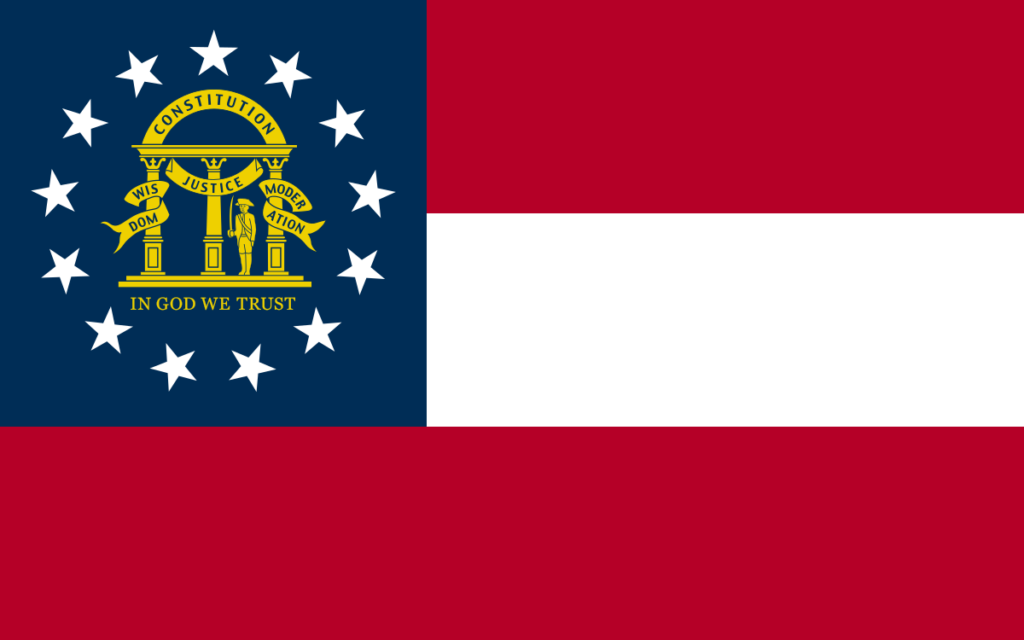
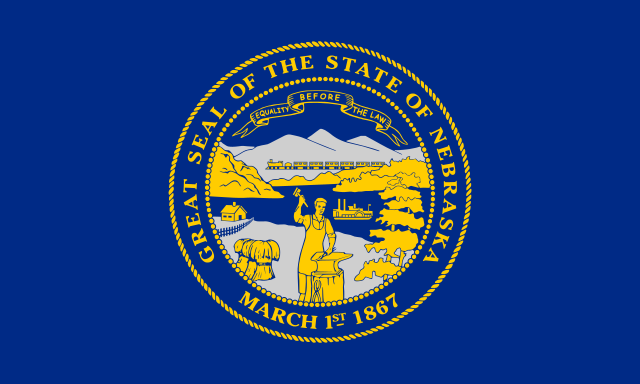
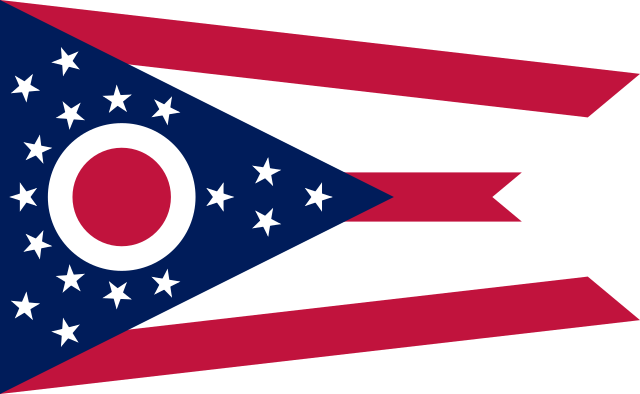
Cropping systems are shaped by many intersecting forces: regional soils, producers’ goals, national policy priorities, and more. To capture as many of these dimensions as possible, our interdisciplinary team combines historical analyses, predictive modeling, expert surveys, and iterative conversations with farmers. This mixed-methods approach helps harness the best of computational and social science approaches to better understand what the country’s agricultural futures will hold and why. We aim not only to generate more useful, accurate, and interesting projections of future cropscapes, but also to conduct engaged and responsive research that attends equally to agriculture’s human and environmental worlds.
Project starts with news of funding from the NSF DISES Program.
Historical scoping, regional key informant interviews, and database construction.
Construct predictive models of agricultural land use.
First round of focus groups with farmers in Georgia, Nebraska, and Ohio.
Delphi surveys in each state and at the national level.
Integration of farmer and practitioner insights into predictive models.
Second round of focus groups with farmers.
Project synthesis.
Convergence of project partners in Atlanta to translate project findings into action.
Associate Professor
Department of Environmental Sciences, Emory University
Emily leads the FACES Lab at Emory, a group that works to integrate social and environmental data to support transitions towards more sustainable, resilient, and just agricultural futures. She’s a native of South Carolina and is particularly excited about leveraging this research to support thriving agricultural systems in the southeastern US.

Assistant Professor
School of Sustainability, Arizona State University
Trained as a cultural anthropologist, Andrea is an interdisciplinary food systems scholar whose research focuses on farmer livelihoods, food system governance, and understanding how agricultural systems can change. Before returning home to Arizona in 2022, she worked for over a decade in the Corn Belt, and continues to maintain active research and strong personal connections to the Midwest and Southeast.
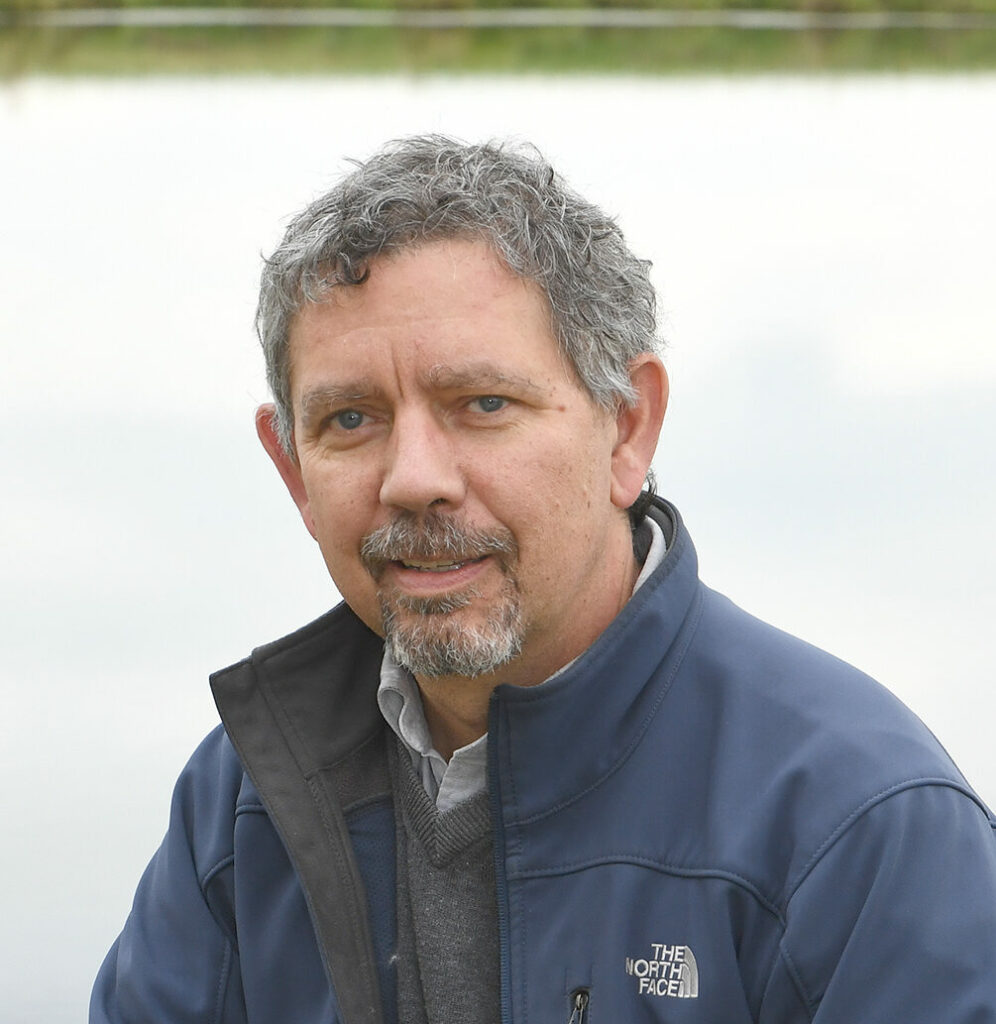
Professor and Kellogg Chair
School of Environment and Natural Resources, Ohio State University
Doug is a rural sociologist and serves as Director of the Agroecosystem Management Program (AMP), which supports applied research and engagement to advance the use of agroecological approaches to farming and explore the ways agricultural transitions affect social, economic, and environmental outcomes. He relies on participatory and interdisciplinary methods to collaborate with scientists and practitioners to address complex ag-food-environmental challenges. This project provides a wonderful opportunity to engage diverse forms of expertise to improve our understanding of how climate change will impact farmers and food system stakeholders, and guide conversations about ways to ensure that future cropping patterns are able to sustain social and economic well being and environmental quality.

Associate Professor in Cropping Systems
Department of Agronomy and Horticulture, university of nebraska-lincoln
Andrea is a cropping systems agronomist with over 15 years of experience in climate and agriculture research, with an emphasis in continuous living cover systems including perennial crops and crops in the Corn Belt of the U.S. Her research team and collaborators study many elements of diversified cropping systems including carbon and nitrogen cycling, water and weed dynamics, as well as policy and human decision-making, with a goal of increasing the amount and time that living roots are protecting the soil. She is excited about this project to advance our understanding of the cropscapes that can be utilized by future farmers in her region, including many of the future farmers who she teaches in her undergraduate courses.

Assistant Research Professor
Department of Agronomy and Horticulture
Brooke is a natural resource social scientist whose research focuses on individual and organizational decision-making, systems thinking, and collaborative governance. Her approach is rooted in collaboration and she has worked with partners across the agricultural sector. She employs a mixed methods approach combined with social science theory to contribute to a deeper understanding of complex issues in agriculture while delivering tangible support to her partners. After working with producers worldwide, Brooke, a Missouri native, is excited to return to the Midwest and contribute to work supporting producers in building a thriving agricultural future.
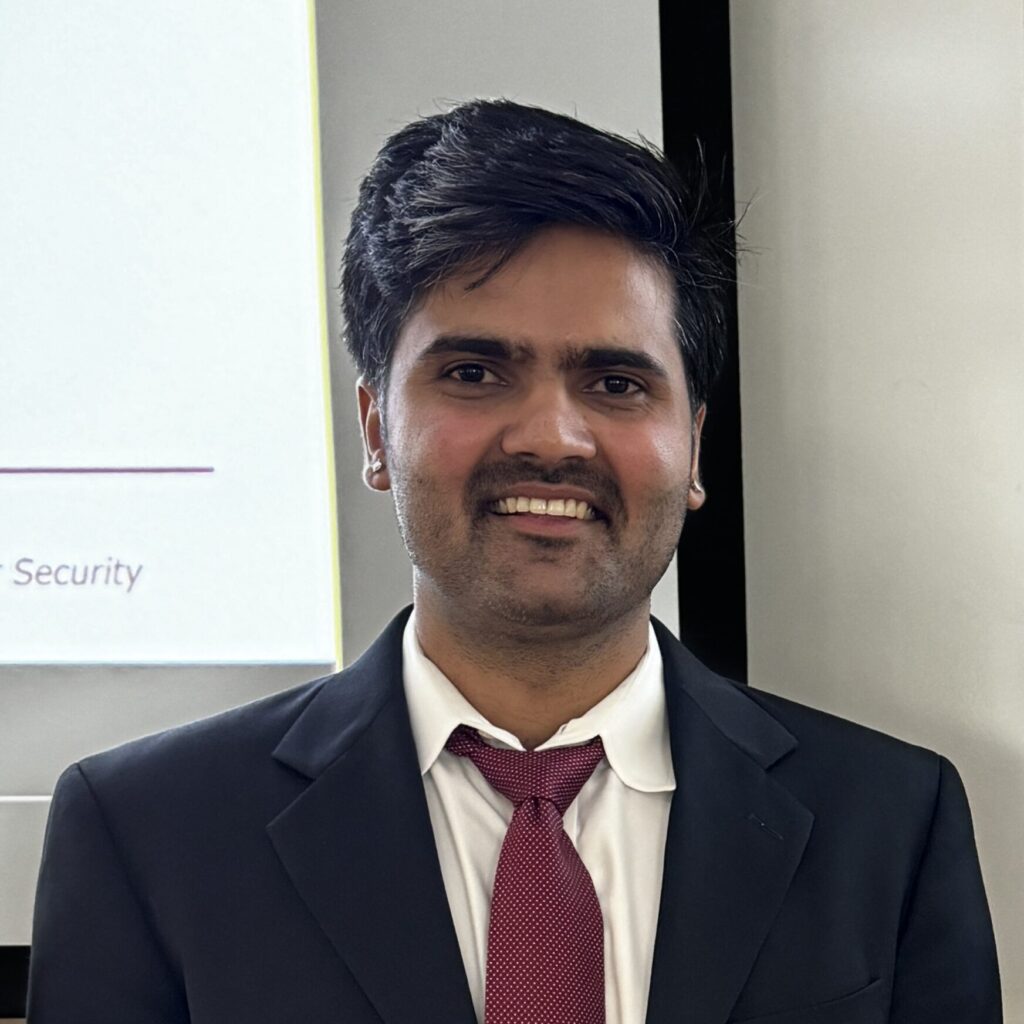
Postdoctoral Researcher
Emory University
Lokendra is a postdoctoral researcher at the FACES lab at Emory University. His research focuses on understanding the climate and anthropogenic influences on food and water systems. Using data analysis and modeling techniques, Lokendra investigates the connections between climate, human activities, and food-water resources. Before joining Emory, Lokendra completed his PhD at the University of Alabama. His research addresses pressing current challenges, including food security, sustainable management of agricultural and water resources, water scarcity, and climate and human impact assessment. Through his research, Lokendra aims to provide valuable insights to inform policy decisions and promote resilient and sustainable pathways to enhance food security.

PhD Student
Arizona State University
Kanchi has a background is in organizational psychology and sustainable food systems. She is currently a PhD student and RA at Arizona State University’s School of Sustainability (Swette Center of Food Systems). Her work with Dr. Andrea Rissing and the DISES team is focused on qualitative research within the context of shifting cropscapes based on climate change.

PhD Student
School of Environment and Natural Resources, Ohio State University
Kaustubh is a PhD student in the Environment and Natural Resources graduate program at the Ohio State University (OSU). His research interests and skills are broadly in human dimensions of natural resources conservation, food systems sustainability, participatory modeling, and monitoring & evaluation. Prior to joining the OSU, he has worked for over five years as a program monitoring and evaluation specialist with various international development agencies working in sustainable agriculture and natural resource management domains in South Asia (India and Bangladesh).
National Science Foundation under Grant Number 2307271

The Emory Center for Digital Scholarship provides essential support for digital research initiatives, helping transform agricultural data into accessible insights for researchers and practitioners.